The Roman Legacy of Corniglia: How the Gens Cornelia Built the Cinque Terre Terraces
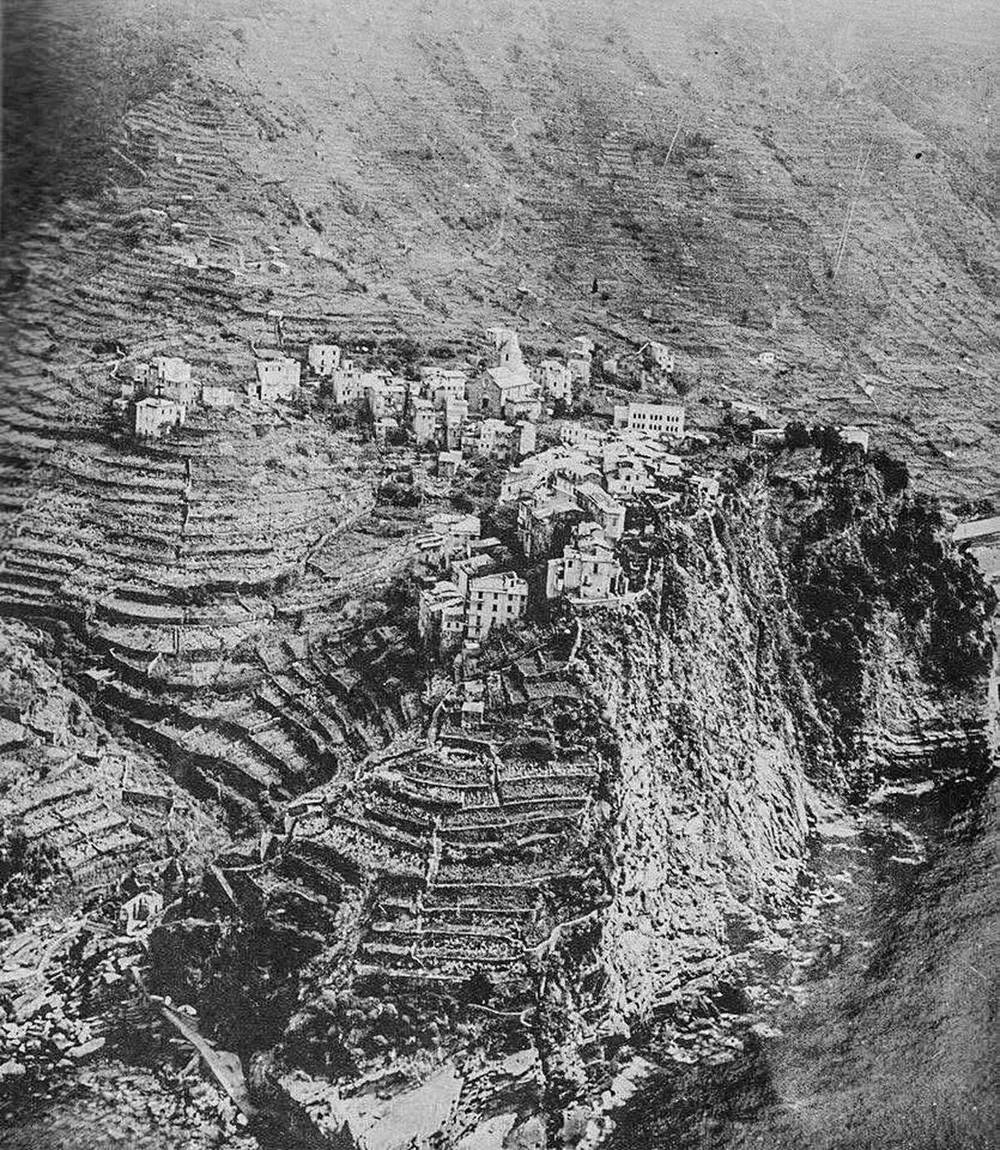
Corniglia is not just a village in Cinque Terre. It is the exact point where Roman civilization met the Ligurian coast and decided to transform it forever. Approximately 1,700 years ago, under the governance of the noble Gens Cornelia - one of the most powerful patrician families of ancient Rome - a titanic endeavor began here: the construction of dry-stone terraces that would transform a vertical cliff into an extraordinary agricultural ecosystem, destined to survive for millennia.
This is the story of how a Roman name became a village, how a cliff became a garden, and how Ca de Gens Cornelia preserves that heritage today - in its kitchen gardens, in its cuisine, in its very name.
The Gens Cornelia: Who Were the Founders of Corniglia
A Family at the Pinnacle of Rome
The Gens Cornelia was one of the most illustrious and long-lived patrician families of ancient Rome. Its members included figures who changed the history of the ancient world:
- Publius Cornelius Scipio Africanus - the general who defeated Hannibal at Zama in 202 BC
- Cornelia, mother of the Gracchi - considered the model of Roman matronly virtue
- Lucius Cornelius Sulla - dictator of Rome
- The Cornelii Lentuli, Dolabellae, Cinnae - senators, consuls, governors
The family owned vast estates throughout Italy, and local tradition - supported by archaeological evidence such as a wine amphora found in Pompeii bearing the inscription Cornelia - directly links this family to the founding of an agricultural settlement on the eastern Ligurian coast.
From Cornelia to Corniglia: The Etymology of a Village
The name Corniglia derives directly from Cornelia. This is not a linguistic coincidence: it is the trace of a Roman landed estate, a fundus of the Gens Cornelia that produced wine and olive oil here, exploiting the exceptional microclimate of the coast and the south-facing exposure of the cliff.
Corniglia is the only one of the five Cinque Terre villages that does not touch the sea - it rises on a promontory approximately 100 meters above sea level, surrounded on three sides by terraces descending toward the Mediterranean. This elevated position, chosen by the Romans for strategic and agricultural reasons, is exactly what makes the village unique to this day.
The Terraces: The Monumental Work That Shaped Cinque Terre
An Enterprise Comparable to the Pyramids
The numbers are staggering and difficult to comprehend without seeing them in person: Cinque Terre contains approximately 6,729 kilometers of dry-stone walls - a length greater than the Great Wall of China. These walls support agricultural terraces called cian in Ligurian dialect, creating cultivable surfaces on a coast that would otherwise be sheer vertical rock.
The work began in Roman times, right here in Corniglia, under the direction of the Gens Cornelia. The Romans brought:
- Advanced engineering techniques for building dry-stone walls resistant to landslides
- Drainage systems integrated into the terrace structure
- Agronomic knowledge for cultivating vines and olives on extreme slopes
- Labor organization that made it possible to transform kilometers of coastline into productive land
How a Roman Terrace Works
Each terrace is a masterpiece of engineering without mortar:
- The dry-stone wall (mureto) - local stones fitted by hand without binding agent, with a slight inward lean to resist the thrust of the earth
- The cultivable platform (cian) - soil carried by hand, often from the valley floor, to create a fertile layer
- The drainage system - larger stones at the base of the wall allow water to filter through without eroding the structure
- The connecting stairways - stone steps linking the levels, allowing passage of people and tools
This technique, perfected by the Romans and passed down for 1,700 years, was recognized by UNESCO in 2018 as Intangible Cultural Heritage of Humanity (the art of dry-stone walling).
A Man-Made Ecosystem
The terraces are not merely walls and soil. Over the centuries they have generated a complete ecosystem:
- Unique microclimates - each terrace has different temperature, exposure, and humidity
- Plant biodiversity - wild aromatic herbs, wildflowers, and medicinal plants grow between the stones
- Wildlife habitat - lizards, pollinating insects, and birds nest in the dry-stone walls
- Water regulation - the terraces slow rainwater runoff, preventing erosion and feeding underground aquifers
- Diversified agricultural production - vines, olives, citrus, vegetables, and aromatic herbs coexist on different levels
This ecosystem, begun by the Gens Cornelia 1,700 years ago, is what still nourishes the cuisine of Ca de Gens Cornelia today.
The Historic Photograph: Corniglia in the 1950s
The photograph at the top of this article shows Corniglia around 1950. It is an extraordinary document because it makes visible, with a clarity that today vegetation often conceals, the entire structure of the terraces descending from the summit of the promontory almost to the sea.
In this image you can distinguish:
- The regular tiers of the original Roman terraces, still perfectly legible in the geometry of the landscape
- The dry-stone walls supporting each level, built with the same technique as 1,700 years ago
- The vineyard cultivation that at the time covered nearly all the terraces
- The hilltop village perched on the summit, protected by the same configuration the Romans chose for their settlement
This photograph is visual proof that the landscape of Corniglia is not natural - it is a landscape entirely built by human hands, begun by the Romans and maintained by 70 generations of Ligurian farmers.
From Rome to Ca de Gens Cornelia: 1,700 Years of Continuity
The Name as Manifesto
Ca de Gens Cornelia - in Ligurian dialect, the house of the Cornelia family - is not merely an evocative name. It is a declaration of belonging and continuity:
- Ca = house, home, place of welcome
- de Gens = of the family, of the people
- Cornelia = the Roman Gens Cornelia, origin of the name Corniglia
The restaurant positions itself as the direct heir of that tradition: a place where the land, worked with the same techniques as 1,700 years ago, produces the ingredients that arrive at your table.
The Kitchen Gardens on Roman Terraces
The Orti di Gens Cornelia (kitchen gardens) were created by restoring the ancient Roman terraces, situated in a magnificent position directly overlooking the sea, just steps from the restaurant. Here grow the vegetables and aromatic herbs - basil, borage, marjoram, thyme, rosemary, sage - that make the restaurant Ligurian cuisine extraordinary.
Cultivating these gardens is not merely agriculture: it is living archaeology. Every time the soil is worked on these terraces, one touches the same stone that a Roman colonist laid 1,700 years ago.
The Logo: Roman Column and Terraces
The Ca de Gens Cornelia logo visually synthesizes this millennial story:
- A Roman column at the center - a direct tribute to the Gens Cornelia
- The terraces at the base - the cian that support everything, from the column to the landscape to the cuisine
It is not decoration: it is a narrative compressed into a single image.
Why Corniglia Is the Heart of Cinque Terre
The Only Village Without a Harbor
Corniglia is the only one of the five villages without direct sea access. To reach it you must climb the Lardarina - 382 steps separating the train station from the village center. This difficulty is actually a privilege: Corniglia has remained the most authentic, the least touristy, the most connected to its agricultural identity.
The Most Roman Village
While Monterosso, Vernazza, Manarola, and Riomaggiore developed primarily in the medieval period as seafaring villages, Corniglia retains the imprint of its Roman settlement: the elevated position (typical of Roman castra and fundi), the agricultural orientation, the relationship with the land rather than the sea.
The Starting Point of the Terraces
It was from here, from Corniglia, that the Gens Cornelia began building the terraces that later extended along the entire Cinque Terre coast. Corniglia is literally ground zero of that ecosystem of 6,729 kilometers of dry-stone walls that is now a UNESCO World Heritage Site.
The Roman Legacy in Ligurian Cuisine
The Roman terraces did not merely create a landscape: they made an entire cuisine possible. Without the terraces, there would be no:
- Corniglia basil - grown sheltered by the walls, with perfect morning sun exposure
- Sciacchetra DOC - the legendary passito wine of Cinque Terre, produced from grapes grown exclusively on terraces
- Ligurian extra virgin olive oil - from olive trees planted on cian with sea views
- Wild aromatic herbs - borage, marjoram, wild thyme growing between the stones of Roman walls
- Seasonal vegetables - tomatoes, zucchini, eggplant, peppers cultivated on the lower, more sheltered terraces
At Ca de Gens Cornelia, every dish is the direct result of this millennial ecosystem. When you taste our pesto, you are savoring basil grown on Roman soil. When you drink our Sciacchetra, you are drinking 1,700 years of Ligurian sunshine filtered through stones laid by the Gens Cornelia.
Visiting Corniglia: A Journey Through Time
How to Get There
- By train - Corniglia station on the La Spezia-Genova line, then the Lardarina (382 steps) or shuttle bus
- On foot - via the Sentiero Azzurro (from Vernazza or Manarola)
- By boat - landing at Marina di Corniglia (calm seas only), then climbing to the village
What to See
- The Roman terraces - visible in their full extent from the Santa Maria belvedere
- The Orti di Gens Cornelia - the restored terraces with the restaurant own cultivation
- The historic center - medieval alleyways built upon Roman foundations
- The Church of San Pietro - 14th century, with architectural elements reflecting local building traditions
Where to Eat
Ca de Gens Cornelia - the restaurant bearing the name of the founding Roman family, with Ligurian farm-to-table cuisine based on ingredients from its own Roman-era kitchen gardens.
Read also:
- Sciacchetra and Roman Heritage
- From Roman Terraces to Your Plate
- Chef Mathias and the Focaccia col Formaggio
Frequently Asked Questions
Why is Corniglia called Corniglia?
The name Corniglia derives from the Gens Cornelia, a noble Roman patrician family that approximately 1,700 years ago owned a fundus (agricultural estate) on this promontory. A wine amphora found in Pompeii bearing the inscription Cornelia supports the connection between this family and wine production in the area.
How many kilometers of terraces are there in Cinque Terre?
Cinque Terre contains approximately 6,729 kilometers of dry-stone walls - more than the Great Wall of China. These walls support the agricultural terraces (cian) built starting in Roman times.
Are the Cinque Terre terraces a UNESCO World Heritage Site?
Yes, in two ways: the Cinque Terre cultural landscape has been a UNESCO World Heritage Site since 1997, and the art of dry-stone walling was recognized as Intangible Cultural Heritage of Humanity in 2018.
What are the Orti di Gens Cornelia?
They are restored Roman terraces overlooking the sea near the Ca de Gens Cornelia restaurant. Here the vegetables and aromatic herbs used in the cuisine are cultivated - an example of living archaeology and sustainable agriculture.
What is the connection between Ca de Gens Cornelia and ancient Rome?
The restaurant takes its name from the Roman Gens Cornelia, the family that founded Corniglia and began building the terraces. The kitchen gardens grow on the same Roman terraces, and the logo depicts a Roman column rising from Ligurian terraces.
What is Sciacchetra?
Sciacchetra is the traditional sweet passito wine of Cinque Terre DOC, made from native grapes - primarily Bosco, with Albarola and Vermentino - hand-harvested on steep terraced vineyards and dried on racks for two to three months before fermentation. It is one of Italy's rarest and most prized wines, with roots in Roman-era viticulture on these very terraces.
Conclusion: 1,700 Years of Stone, Soil, and Flavor
The terraces of Corniglia are not ruins. They are living infrastructure - built by the Gens Cornelia, maintained by 70 generations of Ligurians, and today cultivated by the gardens of Ca de Gens Cornelia to bring the flavor of 1,700 years of history to your table.
When you climb the Lardarina, when you look at the dry-stone walls descending toward the sea, when you taste the basil in our pesto or the honey from flowers growing between the ancient stones - you are participating in a story that began in ancient Rome and has never been interrupted.